
The allure of risk and uncertainty
One of the most fascinating aspects of gambling is its inherent risk and uncertainty, which creates a thrilling experience for players. This sense of unpredictability taps into human psychology, making it an alluring activity. The anticipation and adrenaline rush that accompany the potential for winning can lead to an emotional high, often referred to as a ‘gambling high.’ For those interested in the online gaming scene, the rocket casino login allows easy access to a variety of games that keep the excitement alive. The brain releases dopamine, a neurotransmitter associated with pleasure and reward, making the act of playing feel exciting and fulfilling. This biochemical response not only enhances the enjoyment of the moment but also encourages repeated engagement, as individuals seek to replicate the feelings of exhilaration they experienced during prior sessions.
The allure of risk can also manifest in the form of challenge. Many gamblers enjoy testing their skills or luck against odds, which can create a competitive atmosphere. Even in games heavily influenced by chance, players often feel they have some control over the outcome. This illusion of control can encourage individuals to participate in gambling activities, propelling them to chase that elusive win that they believe is just around the corner. The idea that skill can influence luck fuels the desire to keep playing, as many gamblers think that their next big win is only a bet away.
Moreover, the thrill of risk-taking is not exclusive to gambling; it can be seen in various aspects of life, from extreme sports to adventurous travel. However, gambling uniquely combines this thrill with the potential for financial gain. This blend of excitement and potential reward can compel individuals to engage in gambling, often leading them to overlook the inherent risks involved. The cycle of wins and losses can become addictive, keeping players coming back for more, as they are constantly drawn into the hope of a future victory that promises not just financial benefits but also emotional satisfaction.
The role of social interaction
Gambling often serves as a social activity, whether in a physical casino or an online platform. The communal experience of gambling can enhance enjoyment, as players share in both victories and defeats. The social aspect can reduce feelings of isolation and foster a sense of belonging, particularly for individuals who may struggle to find meaningful connections elsewhere. Events like poker nights or slot tournaments provide opportunities for camaraderie that enrich the gaming experience, creating bonds among participants that extend beyond the gambling table.
Additionally, social interactions during gambling can amplify the excitement involved. Players often find themselves cheering for one another or sharing strategies, which strengthens the bonds among them. The experience can feel less solitary when engaging with others, making it easier for people to justify their participation and spending. The shared thrill of a near win or the exhilaration of hitting a jackpot can create lasting memories and stories that players recount to their friends and family, further enhancing their connection to the activity and each other.

Furthermore, social influences can significantly shape individual gambling behavior. Peer pressure, whether direct or subtle, can encourage people to try their hand at gambling, especially if they witness their friends enjoying the experience. The perception that gambling can lead to financial gains, combined with the social thrill, often leads individuals to partake, sometimes without fully considering the consequences. This social dynamic plays a crucial role in the psychology behind why people gamble, reinforcing the idea that gambling is not just a solitary endeavor but a shared experience that can forge relationships.
The impact of cognitive biases
Human psychology is rife with cognitive biases that can distort decision-making processes. For instance, the gambler’s fallacy, a common cognitive distortion, leads individuals to believe that past outcomes will influence future results. This misconception can cause players to chase losses or maintain an unwavering belief that they are due for a win, despite the odds remaining unchanged. Such biases can perpetuate gambling behavior, leading to increased spending and extended play, as players become trapped in a cycle of hope and disappointment.
Another notable bias is the illusion of control, where gamblers believe they have more influence over outcomes than they actually do. This is particularly prevalent in games where skill can marginally affect results, such as poker. Players may convince themselves that their strategies can tilt the odds in their favor, thereby justifying continued play. These cognitive distortions create a cycle of behavior where individuals remain engaged despite negative consequences, reinforcing their gambling habits and making it difficult to break free from the cycle.
The presence of various cognitive biases can make it challenging for individuals to recognize when their gambling behavior becomes problematic. The initial thrill of gambling can overshadow the emerging negative effects, creating a false sense of security. Understanding these biases is critical to addressing gambling behaviors and promoting healthier approaches for enjoyment. By raising awareness of how these cognitive distortions operate, individuals can better navigate their gambling experiences, potentially leading to more responsible and satisfying participation in gaming activities.
The emotional escape and entertainment factor
For many, gambling provides an emotional escape from everyday life. The thrill of playing, combined with the captivating environment of a casino or the interactive nature of online games, creates a distraction from stressors and anxieties. In times of uncertainty or hardship, individuals may find themselves gravitating toward gambling as a source of entertainment and temporary relief. It offers an outlet for escape that can feel both exhilarating and liberating, making it an appealing choice for those seeking a break from reality.
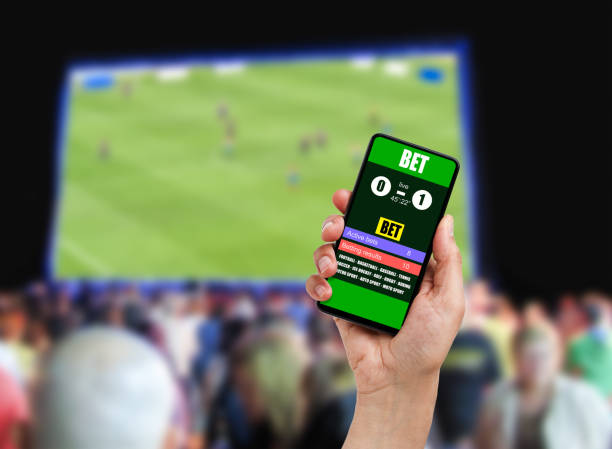
The entertainment value of gambling does not solely rely on the chance of winning. Many individuals find the act of playing itself rewarding, enjoying the scenery, sounds, and social interactions that accompany the experience. This multifaceted enjoyment can overshadow the potential risks, leading casual players to disregard financial limits. The act of escaping into a gambling environment becomes a cherished routine for many, allowing them to unwind and experience joy, albeit temporarily. In this context, gambling is not just about monetary outcomes but also about the overall experience and enjoyment derived from the activity.
Moreover, the emotional journey of gambling can be captivating. From the highs of potential wins to the lows of losses, players often experience a broad spectrum of emotions that keep them engaged. This emotional roller coaster can hook individuals, making it difficult to step away even when the risks become apparent. Understanding this emotional connection is vital in addressing why specific individuals may continue gambling despite adverse outcomes. By recognizing the entertainment aspect, we can better comprehend the psychology behind gambling and the reasons why it holds such a strong appeal for many.
Understanding responsible gaming
As the psychology behind gambling reveals both the allure and risks associated with this activity, it becomes crucial to foster responsible gaming habits. Understanding personal limits and recognizing signs of problematic behavior is essential for maintaining a healthy relationship with gambling. Players should approach gambling as a form of entertainment rather than a means to earn income, ensuring that financial stakes are within their control. Setting budgets and adhering to time limits can help individuals enjoy gambling without negative consequences, allowing them to have fun without jeopardizing their financial stability.
Additionally, education plays a pivotal role in promoting responsible gaming. Awareness of cognitive biases and emotional triggers can empower individuals to make informed decisions. Many resources are available to assist players in managing their gambling habits, including helplines, self-exclusion programs, and support groups. These resources provide vital support for anyone struggling with gambling-related issues, enabling them to regain control over their choices and make healthier decisions regarding their participation in gambling activities.
Finally, advocating for a balanced approach to gambling can help mitigate its risks. By recognizing the potential for addiction and fostering a culture of responsible gaming, both the industry and players can work together to create a safer environment. Encouraging social responsibility within gaming establishments and promoting informed player choices can significantly reduce the adverse effects often associated with gambling, ultimately enhancing enjoyment for everyone involved. This collaborative effort can lead to a more sustainable and positive gambling culture.